

Grass-Fed Tallow vs. Regular Moisturizers: Which Is Better for Your Skin?
Wagoneer Weekly

When it comes to skincare, the age-old debate between natural and conventional products continues to spark heated discussions. But one natural ingredient has been quietly gaining ground in the beauty world: grass-fed tallow. Yes, you read that right – rendered beef fat is making waves as a premium moisturizer alternative.
If you're wondering whether it's time to ditch your drugstore moisturizer for something that sounds like it belongs in your grandmother's kitchen, you're not alone. Let's dive into this surprisingly complex comparison and help you figure out what's actually best for your skin.
What Makes Grass-Fed Tallow Special?
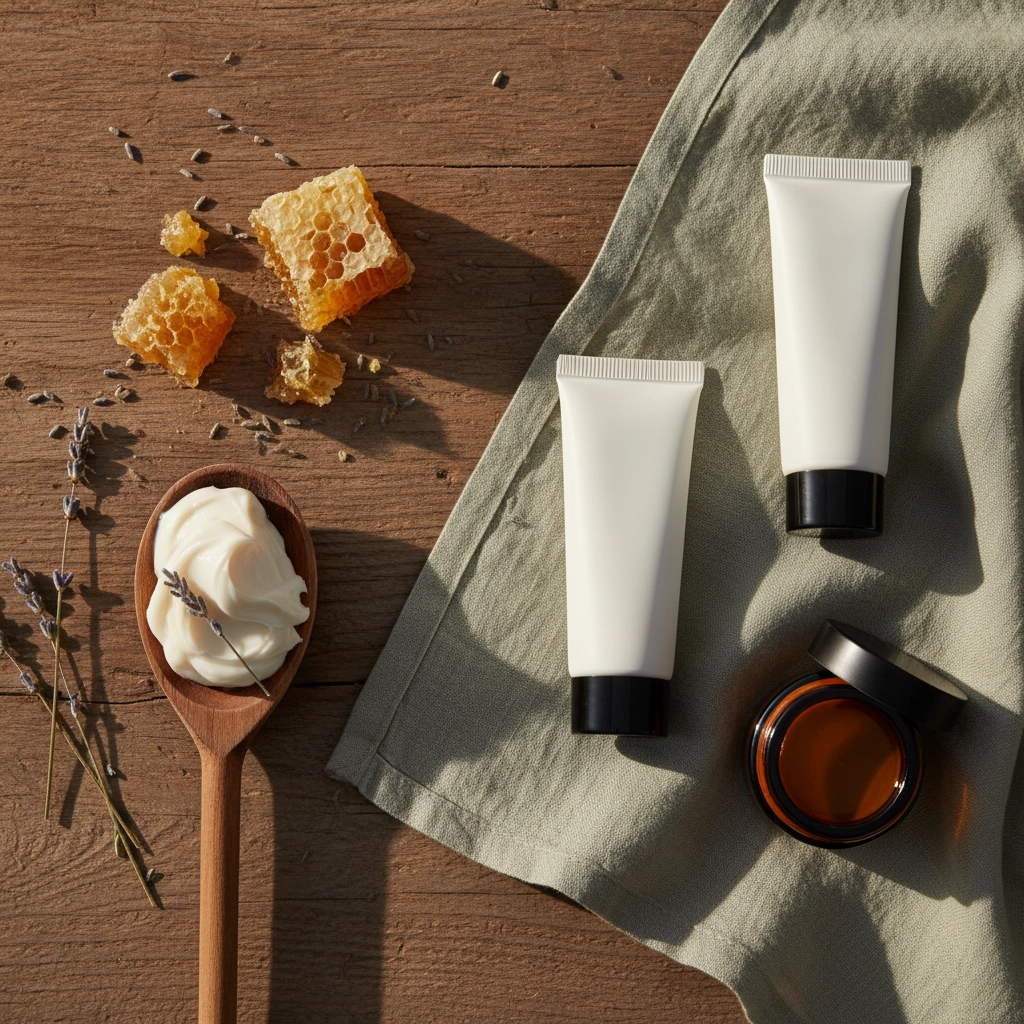
Before we get into the nitty-gritty, let's talk about what grass-fed tallow actually is. It's rendered fat from grass-fed cattle, and it's packed with nutrients that your skin can actually use. We're talking vitamins A, D, E, K, and B12, plus essential fatty acids like palmitic, stearic, oleic, alpha-linoleic, and conjugated linoleic acid (CLA).
But here's where it gets interesting – grass-fed tallow closely mimics the natural oils and fats present in healthy human skin. Think of it as your skin's long-lost cousin. This biocompatibility means your skin recognizes and absorbs these nutrients more readily than synthetic alternatives.
The Grass-Fed Difference
Not all tallow is created equal. Grass-fed tallow contains significantly higher nutrient levels compared to grain-fed alternatives because of the cattle's natural diet. When cows graze on grass instead of processed grain, their fat becomes richer in beneficial compounds that translate directly to skin benefits.
The Benefits of Grass-Fed Tallow
Deep Moisturization The high concentration of fatty acids in grass-fed tallow creates a protective barrier that locks in moisture and prevents dryness. Unlike some moisturizers that sit on top of your skin, tallow penetrates deeply to provide lasting hydration.
Anti-Inflammatory Properties Dealing with irritated, red, or sensitive skin? Tallow's natural anti-inflammatory compounds can help soothe these issues. This makes it particularly valuable for people with conditions like eczema, rosacea, or general skin sensitivity.
Anti-Aging Support The vitamins and antioxidants in grass-fed tallow support collagen production and protect against free radical damage. This can help reduce the appearance of fine lines and wrinkles while maintaining skin elasticity.
Non-Comedogenic Despite being a fat-based product, grass-fed tallow has a comedogenic rating of just 2 (on a scale of 0-5), meaning it's unlikely to clog pores. This makes it suitable even for many people with acne-prone skin.
The Drawbacks of Grass-Fed Tallow
Let's be honest – grass-fed tallow isn't perfect for everyone.
Heavy Feel A little goes a very long way with tallow. Use too much, and you'll feel like you've slathered yourself in... well, fat. It takes some getting used to and requires a light hand during application.
Not Ideal for Oily Skin If your skin already produces plenty of oil, adding tallow might be overkill. People with very oily skin types often find conventional, lighter formulations more suitable.
Requires Routine Adjustments Tallow naturally boosts your skin's cell turnover rate, which is great for renewal but means you'll need to exfoliate regularly (about weekly) to prevent dead skin cell buildup.
Cost Factor Quality grass-fed tallow products typically cost more than drugstore moisturizers. You're paying for the sourcing, processing, and nutrient density.
Regular Moisturizers: The Conventional Choice
Traditional moisturizers aren't going anywhere, and for good reason. They offer several practical advantages that keep them popular.
Affordability and Accessibility You can grab effective moisturizers at any drugstore, grocery store, or gas station. They're budget-friendly and come in countless formulations for specific skin concerns.
Lightweight Formulations Conventional moisturizers often feel lighter on the skin and absorb quickly. For people who prefer this texture or have oily skin, these formulations can be more appealing.
Targeted Solutions The conventional skincare market offers specialized products for every conceivable skin issue – from acne to anti-aging to sensitivity. You can find exactly what you need for your specific concerns.
However, many conventional moisturizers rely on synthetic ingredients, preservatives, and chemicals. While these aren't necessarily harmful, they don't offer the nutrient density and biocompatibility of grass-fed or pasture raised tallow.
Side-by-Side Comparison
| Factor | Grass-Fed Tallow | Regular Moisturizers |
|---|---|---|
| Nutrient Density | High in natural vitamins A, D, E, K, B12, and fatty acids | Variable; often synthetic versions |
| Biocompatibility | Closely mimics skin's natural oils | Formulated for hydration but not bioidentical |
| Anti-Inflammatory | Strong natural properties | Depends on specific formulation |
| Cost | Higher initial investment | Budget-friendly options available |
| Availability | Limited; specialty brands | Widely available everywhere |
| Suitable for Oily Skin | Generally no | Many lightweight options |
| Sensitive Skin | Excellent for most people | Varies by product and ingredients |
| Application Feel | Rich, requires small amounts | Often lighter, familiar texture |
| Long-term Benefits | Supports natural skin function | Varies by active ingredients |
Who Should Choose What?
Grass-Fed Tallow is Best For:
- Dry or mature skin that needs deep nourishment
- Sensitive skin prone to reactions from synthetic ingredients
- People with eczema, psoriasis, or rosacea
- Those prioritizing natural, biocompatible ingredients
- Anyone interested in long-term skin health benefits
Regular Moisturizers are Best For:
- Oily or combination skin types
- Budget-conscious consumers
- People who prefer lightweight, fast-absorbing formulas
- Those with severe acne who need specialized treatments
- Anyone wanting convenient, widely available options
Making the Switch: What to Expect
If you're considering trying grass-fed or pasture raised tallow, start slowly. Begin with small amounts and gradually work up to find what your skin needs. Many people find success using tallow on their body and targeted facial areas while maintaining their preferred facial moisturizer for other zones.
Quality matters a lot with tallow products. Look for grass-fed or pasture raised options from reputable sources. The rendering process and additional ingredients can dramatically impact the final product's effectiveness and feel.
The Bottom Line
Neither grass-fed tallow nor regular moisturizers are universally "better" – they excel in different areas and serve different needs. Grass-fed tallow wins on nutrient density, biocompatibility, and natural anti-inflammatory properties, making it exceptional for dry, sensitive, or mature skin. Regular moisturizers take the crown for accessibility, affordability, and specialized formulations for oily or acne-prone skin.
The real winner might be a hybrid approach: using the best of both worlds based on your skin's specific needs and your lifestyle preferences. Your skin is unique, and finding the right moisturizing approach might involve some experimentation.
Consider your skin type, budget, values, and long-term skin goals when making this choice. Whether you go with time-tested conventional options or embrace the growing tallow trend, the most important thing is finding something that keeps your skin healthy, comfortable, and happy.
Before You Go…
Here are a few handpicked articles to inspire your next self-care moment.


